

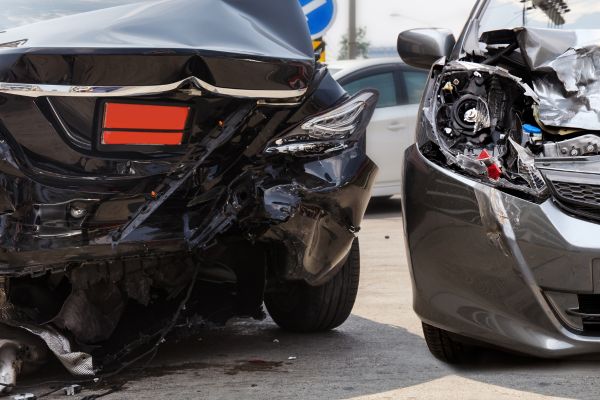
Side-impact crashes are often described in plain language as T-bone collisions, but that casual phrase can make them sound simpler than they really are. In a side-impact crash, one vehicle strikes the side of another, usually at an intersection, driveway, parking lot exit, or during a failed lane change. The front and rear of a car have more space to absorb force, but the side of a vehicle leaves occupants much closer to the point of impact.
That is why side-impact collision injuries can be so serious, even when the crash does not look as dramatic as a high-speed highway accident. A person may walk away feeling shaken but “mostly fine,” only to develop pain, stiffness, dizziness, or numbness hours later. The body is not built to handle sudden sideways force, and the effects can be unpredictable.
Why Side-Impact Crashes Are So Dangerous
The danger of a side-impact collision comes from the direction of the force. In a frontal crash, seat belts, airbags, and crumple zones are designed to manage forward motion. In a side crash, the body is pushed sideways, often with very little distance between the occupant and the striking vehicle.
The head may hit the window, door frame, or side airbag. The shoulder, ribs, hips, and knees can be forced against the interior of the vehicle. The spine may twist sharply. Even at moderate speeds, that kind of movement can strain muscles, damage soft tissue, or cause deeper injuries that are not obvious right away.
Intersections are especially common places for these crashes. One driver may run a red light, misjudge a turn, fail to yield, or speed through a stop sign. In a second, a routine drive becomes a violent sideways impact. The person on the struck side often faces the highest risk, but passengers throughout the vehicle can be injured by the sudden rotation and secondary movement.
Common Side-Impact Collision Injuries
Side-impact collision injuries vary widely depending on the speed of the vehicles, the size difference between them, the angle of impact, seat position, and whether airbags deployed. Some injuries are visible immediately, while others build slowly as swelling and inflammation increase.
Head injuries are among the most concerning. A person does not have to lose consciousness to suffer a concussion. A blow to the side of the head or a sudden whipping motion can cause headaches, confusion, nausea, blurred vision, light sensitivity, memory problems, or unusual fatigue. These symptoms are sometimes brushed off as stress, but they deserve attention.
Neck and back injuries are also common. The sideways jolt can strain muscles, stretch ligaments, irritate nerves, or worsen existing spinal issues. Whiplash is usually associated with rear-end crashes, yet the neck can be injured in side impacts too. Pain may spread into the shoulders, arms, lower back, or legs, depending on which part of the spine is affected.
Rib and chest injuries can happen when the body strikes the door or when the seat belt tightens suddenly. Bruised ribs, fractured ribs, chest wall pain, and breathing discomfort may appear after the crash. Internal injuries are less visible but can be serious, particularly when the abdomen or torso absorbs force.
Hip, pelvis, and leg injuries are another major concern, especially for people seated on the side that was hit. The door may be pushed inward, trapping or crushing part of the body. Bruising, fractures, knee injuries, ankle sprains, and nerve pain can all follow a side-impact crash.
The Problem With Delayed Symptoms
One of the tricky things about car accident injuries is that adrenaline can hide pain. In the minutes after a crash, people often focus on getting out of the vehicle, checking on passengers, talking to police, and dealing with the shock of what just happened. The body is in emergency mode.
Later, when the adrenaline fades, the pain starts to speak up. A stiff neck may become a pounding headache. A sore shoulder may turn into limited movement. A mild ache in the back may become sharp pain when bending, sitting, or trying to sleep. This delay does not mean the injury is minor or unrelated. It is a common pattern after vehicle collisions.
That is why medical evaluation matters after side-impact collision injuries, even when symptoms seem manageable at first. A doctor can check for signs of concussion, spinal injury, fractures, soft tissue damage, and internal trauma. Medical records also create a clear timeline, which can be important if questions later arise about how the injury happened.
Emotional Effects After a Side-Impact Crash
The physical injuries usually get the most attention, but the emotional impact can be just as real. Side-impact crashes often feel sudden and unavoidable. Many people replay the moment over and over, wondering whether they could have reacted faster, even when they had no meaningful chance to avoid it.
Anxiety behind the wheel is common afterward. Intersections may feel tense. A passenger may flinch when another car approaches from the side. Sleep can be disrupted. Some people become irritable, distracted, or unusually tired. These reactions are not signs of weakness; they are the nervous system trying to process a frightening event.
For some, the emotional strain fades with time. For others, it lingers and starts interfering with daily life. Talking with a healthcare provider or mental health professional can help, especially when fear, panic, or intrusive memories do not ease.
How Injuries Can Affect Daily Life
Side-impact collision injuries can reach into ordinary routines in frustrating ways. Getting dressed, lifting groceries, driving to work, carrying a child, sitting at a desk, or climbing stairs may suddenly take more effort. Pain can make sleep uneven, and poor sleep can make pain feel worse. It becomes a loop.
Work may also be affected. Someone with a physically demanding job may be unable to lift, stand, bend, or move safely. Someone with a desk job may struggle with headaches, neck pain, back stiffness, or concentration problems after a concussion. Recovery is rarely as neat as people expect. Some days feel better, then one wrong movement brings symptoms back.
This is why documenting the practical effects of the injury can be useful. Notes about pain levels, missed work, doctor visits, therapy appointments, sleep issues, and daily limitations can help create a fuller picture of what recovery actually looks like.
What To Pay Attention To After the Crash
After a side-impact crash, it helps to take symptoms seriously rather than trying to push through everything. Pain, dizziness, confusion, numbness, weakness, shortness of breath, abdominal pain, vision changes, or worsening headaches should not be ignored. These may point to injuries that need prompt care.
It is also wise to keep records in one place. Medical paperwork, repair estimates, photos of the vehicle, police reports, insurance letters, and notes about symptoms can become important later. The details that feel small in the first few days may matter more once the bigger picture develops.
Conversations with insurance companies can also become complicated, especially when injuries are still being diagnosed. A person may not yet know how long recovery will take or whether more treatment will be needed. Speaking carefully and keeping written records can prevent confusion.
Understanding Responsibility Without Losing Focus on Recovery
Side-impact collisions often raise questions about right of way, traffic signals, lane position, speed, and driver attention. Sometimes responsibility is straightforward. Other times, each driver has a different version of events, and the evidence matters.
Witness statements, intersection cameras, dashcams, vehicle damage patterns, and police findings can all help clarify what happened. Still, for the injured person, the first priority should be health. Legal and insurance questions matter, but they should not replace medical care or rest.
People often search for car accident lawyers near you after a crash because they are trying to understand their options. That is understandable, especially when medical bills, missed work, or long-term symptoms become part of the situation. The most important thing is to approach the process with clear information, realistic expectations, and a focus on the actual harm caused by the crash.
Conclusion
Side-impact collision injuries can be painful, confusing, and surprisingly disruptive. Because the force comes from the side, the body may absorb the crash in ways that affect the head, neck, spine, chest, hips, and legs all at once. Some symptoms appear immediately, while others arrive later, after the shock has worn off.
Taking the injury seriously does not mean assuming the worst. It means paying attention, getting checked, keeping records, and giving the body room to recover. A side-impact crash lasts only seconds, but its effects can stretch far beyond the scene of the accident. Understanding those effects is the first step toward handling the aftermath with care and clarity.