

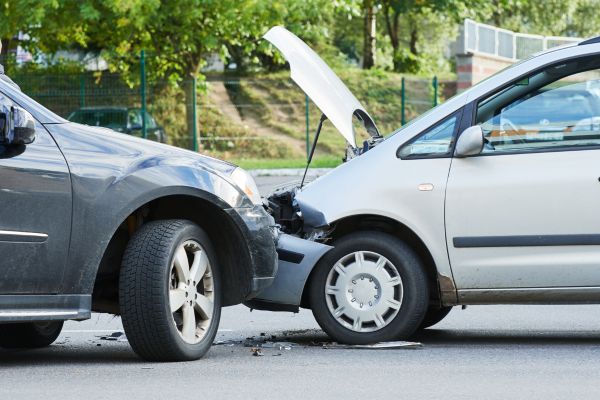
Why Head-On Crashes Feel Different From Other Accidents
A head-on crash is one of those road events that leaves very little room for calm thinking in the moment. Two vehicles moving toward each other, even at ordinary speeds, can create a violent impact that changes the lives of drivers, passengers, and families within seconds. Unlike a minor parking lot bump or a slow rear-end collision, a frontal crash often brings serious injuries, totaled vehicles, emergency treatment, and a long stretch of uncertainty afterward.
That is why Head-on crash legal help matters. Not because every accident needs to become a legal battle, but because the aftermath can be confusing, expensive, and emotionally heavy. Medical bills arrive before the body has healed. Insurance adjusters may call before the full injuries are even known. Police reports, witness statements, vehicle damage, and medical records all become pieces of a larger picture.
National traffic safety agencies study frontal crashes closely because they are often linked with severe injury patterns and complex crash mechanics. NHTSA’s crash injury research includes work on frontal crash injuries and vehicle safety data, showing how detailed these investigations can become when injuries are serious. For an injured person, that complexity is not just technical. It affects real decisions about treatment, fault, compensation, and recovery.
What Often Causes a Head-On Collision
Head-on crashes rarely happen for no reason. In many cases, one vehicle crosses a centerline, enters the wrong lane, turns unsafely, or drives the wrong way on a road or highway. The reason behind that movement matters. A driver may have been distracted by a phone, impaired by alcohol or drugs, too tired to react, speeding around a curve, or trying to pass another vehicle without enough visibility.
Weather can also play a role. Rain, fog, ice, poor lighting, and worn road markings can make lane position harder to judge. In rural areas, narrow roads and limited shoulders may leave drivers with almost no recovery space. On highways, a wrong-way entry ramp mistake can become catastrophic before anyone has time to respond.
Legal help becomes important because the visible crash scene does not always tell the whole story. A driver may say they “lost control,” but that phrase can hide many possibilities. Was the vehicle poorly maintained? Were the brakes defective? Was another driver forced into the wrong lane by a third vehicle? Was road construction confusing or badly marked? A careful legal review looks beyond the first explanation and asks what actually caused the collision.
The First Days After the Crash
The early days after a head-on crash can feel scattered. There may be hospital visits, pain medication, missed work, family calls, and insurance paperwork all happening at once. It is normal for people to focus only on the most urgent problems: getting the car towed, checking on loved ones, and making sure medical care continues.
Still, this period can affect a future claim. Medical records help connect injuries to the crash. Photographs of the vehicles, road conditions, debris, skid marks, and visible injuries can preserve details that disappear quickly. Witness names may become harder to track later. Even small notes about symptoms, sleep problems, headaches, dizziness, anxiety, or mobility issues can help show how the crash changed daily life.
This does not mean an injured person has to become an investigator while recovering. It simply means that evidence matters, and some evidence fades fast. Head-on crash legal help often begins with protecting that information before it is lost.
Injuries That May Take Time To Understand
Some injuries are obvious immediately. Broken bones, deep cuts, burns, chest trauma, spinal injuries, and head injuries may require emergency care right away. Other injuries reveal themselves slowly. A person may walk away from the scene feeling shaken but manageable, only to feel severe neck pain, back stiffness, headaches, numbness, or emotional distress days later.
Head-on collisions can place enormous force on the body. Seat belts and airbags save lives, but they do not erase the impact. The Insurance Institute for Highway Safety explains that the front structure of a vehicle is designed to absorb crash energy, and vehicle size and weight can influence how forces are experienced in frontal crashes IIHS Vehicle Size and Weight. In real life, that means two people in the same crash may have very different injuries depending on their seating position, vehicle type, speed, angle of impact, and health before the accident.
From a legal point of view, it is usually wise not to rush into a settlement before the medical picture is clear. A quick offer may seem helpful when bills are piling up, but it may not account for future surgery, therapy, lost earning ability, chronic pain, or long-term trauma.
How Fault Is Reviewed In a Head-On Crash
Fault in a head-on crash often seems obvious at first. If one driver crossed into the wrong lane, the natural assumption is that they caused the accident. Many times, that may be true. But legal responsibility still has to be supported with evidence.
Police reports, traffic citations, vehicle damage patterns, road design, surveillance footage, dashcam video, mobile phone records, toxicology reports, and witness accounts can all matter. In serious cases, accident reconstruction specialists may study the scene to estimate speed, braking, lane position, and impact angles.
There may also be more than one responsible party. A commercial driver’s employer could be involved if the crash happened during work. A bar or social host may become relevant in some places if alcohol service laws apply. A government agency may be questioned if poor road design or missing signage contributed. A vehicle manufacturer or repair shop may come into the picture if mechanical failure played a role.
Because laws differ by location, local legal guidance is important. The phrase “car accident lawyers near you” is not just about convenience. Local lawyers are more likely to understand state deadlines, insurance rules, court procedures, and how nearby insurers typically handle serious collision claims.
Dealing With Insurance After the Collision
Insurance companies are part of nearly every serious crash claim, but their role is often misunderstood. An adjuster may sound friendly and organized, and many are professional. Still, the insurance company’s job is to evaluate the claim from its own financial position. That does not always match the injured person’s needs.
Recorded statements can be risky when injuries are still developing or memories are unclear. Simple phrases like “I’m okay” may later be used to question pain or medical treatment. Social media posts can also be taken out of context. A smiling family photo, a short walk outside, or a casual comment may be presented as proof that the injuries are not serious.
Legal help can create space between the injured person and the pressure of the claims process. It can also help calculate losses more fully, including medical costs, lost income, reduced work capacity, pain, emotional distress, home assistance, transportation needs, and future care.
When Legal Help Becomes Especially Important
Not every crash requires the same level of legal support. But head-on collisions often involve higher stakes because the injuries and damages can be severe. Legal help becomes especially important when there are hospitalizations, surgery, permanent injury, disputed fault, multiple vehicles, commercial vehicles, uninsured drivers, or a fatality.
It is also important when the insurance company denies responsibility, delays communication, offers a low settlement, or asks for broad medical authorizations that feel excessive. Families dealing with wrongful death claims face an even more painful process, where grief and legal deadlines may collide. In those situations, having someone handle the paperwork, evidence, and negotiations can reduce at least one layer of stress.
Choosing Help Without Feeling Rushed
Searching for Head-on crash legal help should not feel like choosing the loudest advertisement. A thoughtful choice starts with experience in serious car accident cases, clear communication, and a willingness to explain options without pressure. The right fit is someone who can discuss likely challenges honestly, including proof of fault, medical documentation, insurance limits, and the timeline of a claim.
A good conversation should leave the injured person more informed, not more confused. It should clarify what documents are useful, what deadlines may apply, and what steps are worth taking next. Legal guidance is not only about filing a lawsuit. Sometimes it is about understanding rights before signing anything that cannot be undone.
Conclusion
A head-on crash is more than a damaged vehicle and an insurance file. It can interrupt health, work, family routines, and a person’s sense of safety on the road. The legal side matters because recovery is not only physical. It is also financial, practical, and deeply personal.
Head-on crash legal help gives injured people a way to slow the process down, preserve important evidence, and make decisions with a clearer view of what may come next. In the middle of shock and uncertainty, that clarity can make a real difference.