

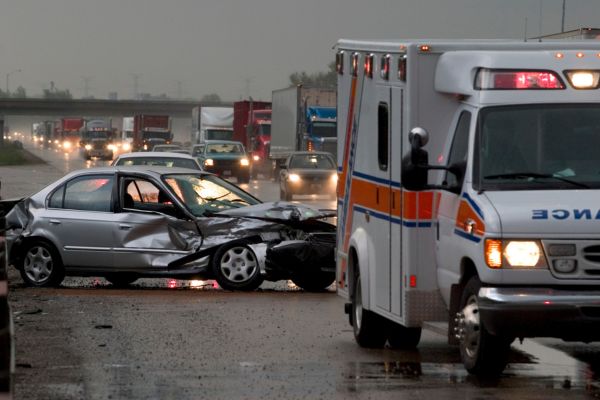
Understanding the Serious Reality of DUI-related accidents
DUI-related accidents are among the most painful and preventable tragedies on the road. Unlike many crashes caused by bad weather, mechanical failure, or momentary confusion, these accidents often begin with a choice: someone gets behind the wheel after drinking alcohol or using drugs that affect judgment, coordination, and reaction time. That choice can change several lives in a matter of seconds.
The phrase “DUI-related accidents” may sound technical, but behind it are real scenes that families never forget. A driver crosses the center line. A car fails to stop at a red light. A pedestrian is struck near a crosswalk. A family driving home late at night suddenly becomes part of a legal, medical, and emotional situation they never expected. The aftermath is rarely simple. There are injuries to treat, vehicles to repair or replace, police reports to understand, insurance calls to handle, and sometimes criminal proceedings happening at the same time.
What makes these crashes especially difficult is the sense that they did not have to happen. Victims and families often struggle not only with physical pain but with anger, confusion, and unanswered questions. Why did the driver take that risk? Could someone have stopped them? What happens now? These are not easy questions, but understanding how DUI-related accidents unfold can help people make sense of the legal and practical steps that follow.
Why Impaired Driving Is So Dangerous
Driving requires constant attention. A person needs to judge speed, distance, traffic signals, road conditions, and the movements of other drivers all at once. Even a small delay in reaction time can be dangerous. Alcohol and drugs interfere with this ability in ways that may not feel obvious to the impaired driver but are extremely noticeable on the road.
A driver under the influence may believe they are “fine,” especially if they have driven after drinking before. That false confidence is part of the danger. Impairment can slow braking, blur vision, reduce coordination, and weaken decision-making. A driver may follow too closely, drift between lanes, speed without realizing it, or fail to notice a motorcycle, cyclist, or pedestrian.
Drug impairment can be just as serious. Prescription medications, illegal substances, and even some over-the-counter drugs can affect alertness and coordination. When substances are mixed, the risk becomes even greater. A person may not look visibly intoxicated, but their ability to drive safely can still be badly reduced.
The road gives very little room for mistakes. At highway speeds, a delayed reaction of just a second or two can mean the difference between a near miss and a violent collision. That is why DUI-related accidents are often so severe. The impaired driver may not brake in time, may not swerve safely, or may crash at a higher speed than a fully alert driver would.
Common Types of DUI-related accidents
DUI-related accidents can happen in many ways, but certain patterns appear again and again. Late-night rear-end crashes are common because impaired drivers may not notice stopped traffic quickly enough. Intersection crashes also happen frequently, especially when a driver runs a red light or misjudges another vehicle’s movement.
Head-on collisions are among the most devastating. These often happen when an impaired driver drifts across the center line or enters a highway ramp in the wrong direction. Because both vehicles may be moving toward each other, the force of impact can be life-changing.
Single-vehicle crashes are also common. An impaired driver may leave the roadway, strike a tree, hit a guardrail, or roll over. While people sometimes think these crashes only affect the impaired driver, passengers are often seriously hurt. In some cases, nearby pedestrians or other drivers are pulled into the crash as well.
Pedestrian and cyclist accidents are another serious concern. People walking or riding bikes have little protection when a vehicle strikes them. An impaired driver may fail to yield, turn too wide, or simply not see someone crossing the street. These accidents can leave victims with severe injuries and long recovery periods.
The Human Cost Behind the Statistics
It is easy to talk about DUI-related accidents in legal or insurance terms, but the human cost is what matters most. Injuries may include broken bones, spinal damage, traumatic brain injuries, internal injuries, burns, and deep cuts. Some people recover after weeks or months. Others face permanent changes in their mobility, memory, work life, or independence.
The emotional impact can be just as heavy. A crash caused by an impaired driver can leave victims feeling unsafe in everyday situations. A simple car ride may trigger anxiety. Night driving may become uncomfortable. Families may feel overwhelmed as they balance medical appointments, income loss, childcare, and stress.
There is also grief. When DUI-related accidents result in fatal injuries, the loss is especially hard to process because it feels so avoidable. Families are left with memories, bills, legal questions, and a painful awareness that the outcome might have been different if one person had made a safer choice.
Even people who survive with “minor” injuries may still feel the effects for a long time. Soft tissue injuries, headaches, sleep problems, and emotional distress are sometimes dismissed too quickly. Yet these problems can affect daily life in quiet, frustrating ways.
What Happens After a DUI Crash
The aftermath of a DUI crash can feel chaotic. Police may investigate the scene, speak to witnesses, test the suspected impaired driver, and prepare a report. Emergency responders may transport injured people to the hospital. Vehicles may be towed. Insurance companies may begin contacting those involved.
In many cases, a DUI crash can involve both criminal and civil matters. The criminal case focuses on whether the impaired driver broke the law. That process may include charges, court hearings, penalties, fines, license suspension, or jail time. The civil side is different. It focuses on the harm caused to the victim and whether compensation may be available for medical bills, lost income, pain, suffering, and other damages.
This difference matters because a criminal case does not automatically pay a victim’s expenses. A driver may face criminal penalties, but the injured person may still need to pursue an insurance claim or personal injury case to recover financial losses. That is one reason victims often seek legal guidance after serious DUI-related accidents.
The Role of Evidence in DUI-related accidents
Evidence plays an important role in understanding what happened and who may be responsible. Police reports, breath or blood test results, witness statements, traffic camera footage, photos from the scene, vehicle damage, and medical records may all become important.
Timing also matters. Skid marks can fade. Surveillance video may be deleted. Witnesses may become harder to reach. A damaged vehicle may be repaired or destroyed before it is fully documented. For this reason, preserving evidence early can be very helpful.
Medical records are especially important because they connect the crash to the injuries. Some injuries are obvious right away, but others appear hours or days later. A person may feel sore at the scene and only later realize they have a serious neck, back, or head injury. Getting medical attention is not only important for health; it also creates a clear record of the harm caused by the crash.
Insurance Challenges After an Impaired Driving Crash
Many people assume insurance will handle everything smoothly after a DUI crash. Unfortunately, that is not always the case. Insurance companies may question the severity of injuries, dispute treatment costs, delay communication, or try to settle quickly before the full impact of the crash is known.
DUI-related accidents can also involve complicated coverage issues. The impaired driver may have limited insurance. There may be multiple injured people making claims. In some situations, uninsured or underinsured motorist coverage may become important. If the impaired driver was working at the time, driving someone else’s vehicle, or leaving a business where they were served alcohol, additional questions may arise depending on the facts and local laws.
This is where the process can become stressful for victims. They are trying to recover physically while also making decisions that may affect their financial future. A quick settlement may seem helpful at first, especially when bills are piling up, but it may not account for long-term care, missed work, future treatment, or lasting pain.
Why Legal Guidance Can Matter
Car accident lawyers who handle DUI-related accidents often look beyond the basic crash report. They may review evidence, communicate with insurers, calculate damages, track medical documentation, and help victims understand the difference between a criminal DUI case and a civil injury claim.
This does not mean every crash becomes a courtroom battle. Many claims are resolved through negotiation. Still, having someone understand the legal process can help prevent important details from being overlooked. Serious injury cases often involve more than the cost of an emergency room visit. There may be physical therapy, surgery, medication, lost earning capacity, transportation costs, emotional distress, and changes to daily living.
The phrase “car accident lawyers near you” often appears when people are searching for local help after a crash. Local knowledge can matter because laws, insurance rules, deadlines, and court procedures vary by state or region. Someone familiar with the area may also understand local roads, accident-prone intersections, and nearby courts or insurance practices.
Prevention Starts Before the Engine Turns On
The most heartbreaking part of DUI-related accidents is that many of them can be prevented. Prevention does not require complicated planning. It starts with honest decisions before anyone drives. Calling a rideshare, choosing a designated driver, staying overnight, using public transportation, or handing over keys can prevent a tragedy.
Friends and family also play a role. It can feel uncomfortable to tell someone they should not drive, but that uncomfortable moment is small compared to the consequences of a crash. Taking keys, arranging a ride, or simply speaking up can save lives.
Communities can help as well. Better awareness, responsible alcohol service, safer transportation options, and consistent enforcement all matter. But at the center of prevention is personal responsibility. No one should have to share the road with a driver who is impaired and overconfident.
Moving Forward After a DUI Crash
Recovery after a DUI crash is rarely only physical. It often involves paperwork, appointments, emotional healing, financial decisions, and legal questions. Some days may feel manageable, while others may feel heavy. That is normal. People affected by impaired driving accidents often need time, support, and reliable information.
Victims should take their injuries seriously, keep records, follow medical advice, and avoid rushing major decisions while still in shock. It is also wise to document symptoms, missed work, repair costs, and communication with insurance companies. These details may seem small in the moment, but they can become important later.
For families who have lost someone, the path is even more painful. Legal answers cannot replace a loved one, but they may help bring accountability and financial support during a devastating time.
Conclusion
DUI-related accidents leave a mark that goes far beyond the crash scene. They affect bodies, families, finances, emotions, and futures. What makes them especially difficult is the knowledge that many are preventable. A single reckless decision can create months, years, or even a lifetime of consequences for innocent people.
Understanding how these accidents happen, why evidence matters, and what steps may follow can help victims and families feel less lost after a traumatic event. The road to recovery is not always quick, and it is rarely simple, but clear information and steady support can make the process easier to face. At its heart, the issue is not only legal or medical. It is human. Safer choices before driving can protect lives, prevent grief, and keep ordinary journeys from becoming unforgettable tragedies.