

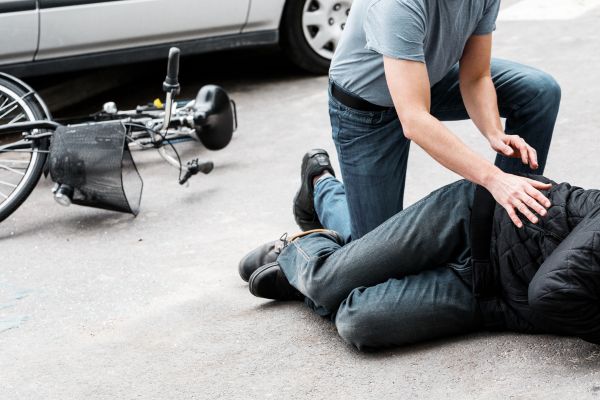
Hit-and-run accidents carry a particular kind of shock. A crash is already frightening enough, but when the other driver leaves the scene, the situation can feel confusing, unfair, and strangely personal. In a few seconds, a normal drive can turn into a mess of damaged metal, unanswered questions, police reports, insurance calls, and sometimes serious injuries.
Unlike a typical collision where both drivers stop, exchange details, and begin the claims process, hit-and-run accidents leave one side missing. That absence creates practical problems, but it also creates emotional stress. People often wonder who hit them, why the driver fled, and whether they will be left paying for something they did not cause.
Understanding what happens after a hit-and-run can help bring some order to a difficult moment. It does not erase the frustration, of course, but it can make the next steps clearer.
What Makes a Hit-and-Run Accident Different
A hit-and-run accident happens when a driver involved in a crash leaves the scene without providing information or helping when required. This can involve two moving vehicles, a parked car, a pedestrian, a cyclist, or even damage to property.
The key issue is not always the severity of the crash. Even if the damage looks minor, leaving without taking responsibility can turn the incident into a serious matter. In many places, drivers are expected to stop, check for injuries, exchange contact and insurance information, and contact emergency services when needed.
What makes these accidents especially difficult is the missing driver. In a normal accident claim, the at-fault driver’s insurance may be involved. In a hit-and-run, the injured person may not know who caused the crash. That changes how evidence is collected and how insurance coverage may be handled.
Why Drivers Leave the Scene
There is no single reason people flee after a crash. Some panic. Some may not have insurance. Others may be driving without a valid license, under the influence, in a stolen vehicle, or trying to avoid legal trouble. Sometimes the driver may claim they did not realize they caused damage, although that explanation often depends heavily on the facts.
None of these reasons makes the situation easier for the person left behind. The result is still the same: someone has to deal with the damage, the injuries, and the uncertainty.
It is also important not to assume too much in the moment. Anger is natural, but guessing why the other driver left does not help as much as gathering useful details. A partial license plate, vehicle color, direction of travel, nearby cameras, and witness statements can matter more than anything else in those first minutes.
What to Do Immediately After a Hit-and-Run
The first priority after any crash is safety. If the vehicle is in traffic and can be moved safely, it may be best to get to the side of the road. If anyone is injured, emergency help should be contacted right away.
It is usually not wise to chase the fleeing driver. That can create another dangerous situation and may make it harder to document the original crash. Instead, try to remember as many details as possible. The make and model of the vehicle, color, license plate numbers or letters, driver description, damage location on the other vehicle, and direction of travel can all help.
Calling the police is often an important step. A police report can document that the accident happened and that the other driver left. This report may later be needed for insurance purposes or any legal claim. Even when the crash seems minor, having an official record can prevent problems later.
Photos are also valuable. Take pictures of the vehicle damage, the road, traffic signs, skid marks, broken glass, debris, injuries, and the wider accident scene. If there are witnesses nearby, ask for their names and contact information. A witness may remember something you missed while you were still shaken.
The Role of Evidence in Hit-and-Run Accidents
Evidence often decides how far a hit-and-run case can go. Since the other driver is gone, every small detail can become important. A nearby security camera, dashcam, doorbell camera, traffic camera, or parking lot camera may have captured the vehicle.
This is why time matters. Some camera systems erase footage quickly. If the accident happened near a business, apartment building, gas station, or intersection, it may help to ask whether video footage is available. Police may also check nearby cameras as part of their investigation.
Vehicle damage can also tell part of the story. The location and angle of the damage may help explain how the collision happened. Paint transfer from the other vehicle may provide clues. Even debris left at the scene can sometimes identify the type of vehicle involved.
Medical documentation matters too. Some injuries appear immediately, while others become more noticeable after a few hours or days. Neck pain, back pain, headaches, shoulder injuries, and soft tissue injuries are common after crashes. Seeing a medical professional creates a record of the injury and connects it to the accident.
Insurance Issues After a Hit-and-Run
Insurance claims after hit-and-run accidents can be more complicated than ordinary crash claims. If the other driver is never found, the injured person may need to rely on their own insurance coverage.
Depending on the policy and location, uninsured motorist coverage may help when the at-fault driver cannot be identified. Collision coverage may help pay for vehicle repairs, though deductibles may apply. Medical payments coverage or personal injury protection may also help with medical expenses in some policies.
The details vary by insurance company, policy language, and local rules. This is why it is important to report the accident promptly and be careful when describing what happened. It is also wise to keep copies of everything, including the police report, claim number, medical bills, repair estimates, photos, and communication with the insurer.
One challenge is that insurance companies may ask for proof that the accident was truly a hit-and-run. A police report, photos, witness statements, and scene evidence can support the claim. Without documentation, the process may become harder.
Injuries Commonly Seen in Hit-and-Run Crashes
The injuries from a hit-and-run can range from mild to life-changing. Even low-speed crashes can cause pain, especially when the body is not prepared for impact. Whiplash, back strain, bruising, broken bones, knee injuries, concussions, and shoulder injuries may happen depending on the crash.
Pedestrians and cyclists face even greater risk because they do not have the protection of a vehicle. A driver leaving the scene after hitting someone on foot or on a bike can delay medical care, which makes the situation even more serious.
Emotional effects should not be ignored either. Some people feel anxious about driving again. Others replay the crash in their mind or feel unsafe on roads they used every day. That reaction is understandable. A hit-and-run is not just a traffic incident; it can feel like a violation of basic responsibility.
Why Legal Guidance May Matter
After hit-and-run accidents, many people search for car accident lawyers near them because they are unsure how to handle the situation. This does not mean every case becomes a lawsuit. Sometimes legal guidance is mainly about understanding rights, insurance options, deadlines, and the value of proper documentation.
A lawyer may help review insurance coverage, communicate with insurers, gather evidence, identify possible sources of compensation, and explain what happens if the fleeing driver is found. In more serious cases, legal support may be especially important if there are injuries, hospital bills, missed work, long-term pain, or disputes with the insurance company.
The legal side of a hit-and-run can be stressful because it involves both the unknown driver and the insurance process. Having someone review the facts can help prevent mistakes, especially when the injured person is already dealing with pain or financial pressure.
When the Driver Is Found
Sometimes the driver who fled is later identified. This can happen through witness tips, camera footage, license plate information, vehicle damage, or police investigation. If the driver is found, the case may move in a different direction.
The driver may face legal consequences for leaving the scene, depending on the circumstances and local law. Separately, the injured person may be able to pursue an insurance claim against that driver or their insurance company if coverage exists.
Still, finding the driver does not automatically make everything simple. The driver may be uninsured, underinsured, or deny responsibility. The insurance company may question the damage, injuries, or timeline. That is why the evidence collected early remains important even if the person is later identified.
Hit-and-Run Accidents Involving Parked Cars
Not every hit-and-run involves an injured driver. Many people return to a parking lot and find their car scratched, dented, or badly damaged with no note left behind. This can be deeply frustrating because there may be no one to hold accountable.
The same basic steps are useful. Take photos, look for nearby cameras, ask nearby businesses or property managers about footage, check whether anyone saw what happened, and file a police report if appropriate. Insurance coverage may depend on the policy, especially whether collision coverage applies.
Even with parked car damage, documentation matters. A clear record can help show that the damage happened while the vehicle was parked and that the responsible driver left without providing information.
How Drivers Can Protect Themselves Before Anything Happens
No one expects to be involved in a hit-and-run, but a little preparation can make a difference. A dashcam can be useful, especially one that records clearly at night or while parked. Keeping insurance documents updated and understanding what coverage is included in the policy can also prevent confusion later.
It is also helpful to keep a simple accident checklist in the car or on a phone. In a stressful moment, people forget basic steps. Having a reminder to call police, take photos, collect witness details, and seek medical care can be surprisingly useful.
Safe driving habits still matter too. Staying aware at intersections, parking carefully, leaving space in traffic, and avoiding distractions can reduce risk. Of course, careful drivers can still become victims of hit-and-run accidents, but defensive awareness gives them a better chance to react.
The Human Side of Being Left Behind
One of the hardest parts of a hit-and-run is the feeling that someone simply drove away from responsibility. It can make an already painful experience feel colder. People are often left dealing with repair bills, injuries, transportation problems, and insurance paperwork while the other driver disappears.
That emotional response is valid. It is normal to feel angry, unsettled, or overwhelmed. But the most helpful path is usually practical: get safe, report the accident, document everything, seek medical care if needed, and understand the available insurance or legal options.
A clear mind may not come immediately. That is fine. The important thing is to take steady steps and avoid letting confusion cause delays.
Conclusion
Hit-and-run accidents are difficult because they combine the physical impact of a crash with the uncertainty of a missing driver. The person left at the scene has to manage safety, evidence, police reports, insurance questions, and sometimes serious injuries without the usual exchange of information.
The best response is calm documentation and timely action. Details matter, from a partial license plate to a nearby camera or a witness who stayed behind. Insurance coverage may offer support, and legal guidance can help when the situation becomes complicated.
At the heart of it, a hit-and-run is about responsibility. When one driver avoids it, the other must often work harder to protect their own health, finances, and peace of mind. With the right steps, the situation can become more manageable, even when the beginning feels unfair and uncertain.