

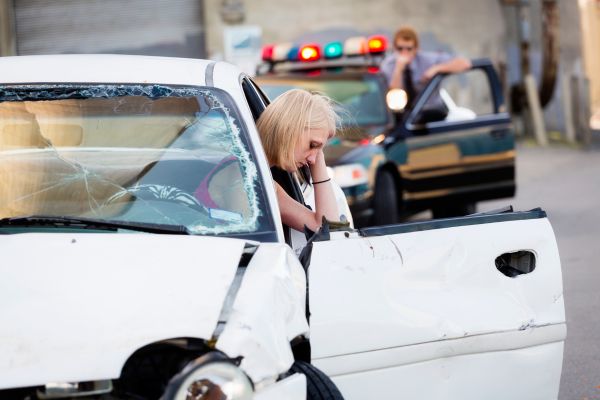
Few roadway collisions are as sudden and unsettling as side-impact crashes. One moment a driver is moving through an intersection, often believing the path is clear, and the next moment another vehicle strikes the side of the car with force. These crashes are commonly known as T-bone accidents because the shape of the collision resembles the letter T.
They can happen in a flash, yet the consequences may linger for months or years. Physical injuries, insurance disputes, vehicle damage, emotional stress, and questions about fault often follow. Because the sides of a vehicle offer less protective structure than the front or rear, these accidents can be especially serious.
Understanding how T-bone accidents happen, why they are dangerous, and what steps usually matter afterward can help drivers respond more confidently during a difficult time.
What Are T-bone Accidents
A T-bone accident occurs when the front of one vehicle crashes into the side of another vehicle. These collisions most often happen at intersections, parking lot exits, private driveways, or places where one vehicle crosses another vehicle’s path.
The striking vehicle may hit the driver-side door, passenger-side door, rear quarter panel, or side frame area. Even at moderate speeds, side impact forces can move a vehicle violently, causing spin-outs, secondary collisions, or rollovers.
Unlike rear-end crashes, where energy often moves in the direction of travel, side impacts create abrupt lateral force. That difference can make the experience particularly jarring for occupants.
Why Intersections Are Common Locations
Most T-bone accidents occur where traffic paths intersect. A green light, stop sign confusion, rushing through a yellow signal, blocked visibility, or distracted driving can all create the same dangerous outcome.
Intersections demand quick judgment. Drivers must assess speed, distance, signals, pedestrians, turning vehicles, and timing almost simultaneously. When one mistake enters that equation, the margin for safety narrows quickly.
Even familiar intersections can become risky. In fact, routine often creates overconfidence, and overconfidence can reduce caution.
Common Causes of T-bone Accidents
Running a red light is one of the most common causes. A driver may try to beat the signal or fail to notice it changing.
Failing to yield while turning left is another frequent scenario. Drivers sometimes misjudge the speed of oncoming traffic or assume they have more time than they do.
Distracted driving remains a major factor. Looking at a phone for two seconds can be enough to miss a stop sign or traffic signal.
Speeding increases severity and reduces reaction time. Fatigue, impairment, poor weather, and obstructed views also contribute.
Sometimes fault seems obvious. Other times, multiple factors overlap in ways that require careful investigation.
Why Side-Impact Collisions Can Be Severe
Vehicle fronts and rear sections are designed with crumple zones to absorb force. Side structures have improved greatly over the years, but there is still less space between the point of impact and the occupants.
That means doors, pillars, windows, and side airbags may have less distance to manage incoming energy. If the struck vehicle is small and the striking vehicle is large, the risk often increases.
Even when injuries are not immediately obvious, the body may experience twisting, neck strain, rib trauma, or internal stress during impact.
Some people walk away feeling “fine,” only to feel symptoms later.
Common Injuries After T-bone Accidents
Injuries vary widely depending on speed, angle, seating position, and vehicle design. Neck and back injuries are common because of sudden sideways motion. Shoulder injuries can occur from seatbelt restraint or door intrusion.
Concussions and head trauma may happen if the head strikes a window, pillar, or interior surface. Rib fractures, pelvic injuries, arm injuries, and knee trauma are also seen in side impacts.
Psychological effects deserve mention as well. Anxiety while driving, sleep disruption, and stress after an unexpected collision are real experiences for many people.
Not every injury is visible on day one.
How Fault Is Usually Determined
Determining fault in T-bone accidents often centers on right-of-way. Which driver legally had the right to proceed? Was there a red light, stop sign, protected turn signal, or failure to yield?
Evidence may include police reports, witness statements, traffic camera footage, dashcam video, skid marks, vehicle damage patterns, and intersection signal timing.
Because side-impact crashes happen quickly, drivers sometimes remember events differently. Stress can distort memory. That is why physical evidence often matters as much as verbal accounts.
In some jurisdictions, fault may be shared if both drivers contributed in some way.
What To Do Immediately After a Side-Impact Crash
Safety comes first. If possible, move to a safer location and check for injuries. Call emergency services when needed.
Exchange information calmly and avoid arguing roadside. Photograph vehicle positions, visible damage, traffic signs, and surrounding conditions if it is safe to do so.
Seek medical evaluation even if pain seems minor. Adrenaline can hide symptoms for hours.
Prompt reporting to your insurer is also important. Delays sometimes complicate later claims.
The first few hours after a crash often shape what happens next more than people realize.
Insurance Challenges After T-bone Accidents
These crashes sometimes lead to sharper disputes than straightforward rear-end collisions. Each driver may believe they had the light or right-of-way.
Insurers may review statements, photos, police findings, and available video. Vehicle repair costs can be significant because side damage may involve doors, frame alignment, airbags, sensors, and structural components.
If injuries are involved, claims may become more complex and take longer to resolve.
Patience helps, but so does documentation.
How Legal Guidance Can Help
When injuries are serious, liability is disputed, or insurance communication becomes difficult, many people consider speaking with a qualified local attorney experienced in traffic injury claims.
Legal guidance can help explain rights, deadlines, evidence needs, and how local comparative fault rules may apply. It can also reduce stress during an already disruptive period.
The goal is not drama. Often it is simply clarity.
Each case depends on facts, location, and applicable law, so individualized advice matters more than generic assumptions.
Preventing T-bone Accidents
No driver can control everyone else, but some habits lower risk.
Pause briefly before entering on green when visibility is poor. Scan left and right. Slow slightly near intersections, especially when others appear distracted or rushed.
Never assume another driver will stop just because they should.
When turning left, be realistic about gaps rather than optimistic. Keep windows clear, mirrors adjusted, and attention forward.
Small defensive habits can prevent large consequences.
Recovery Often Takes Longer Than Expected
Many people expect life to normalize quickly after a crash. Sometimes it does. Sometimes it does not.
Repair delays, soreness, scheduling medical appointments, transportation issues, missed work, and emotional strain can extend the experience. Even minor collisions disrupt routine.
Giving recovery time and taking symptoms seriously often leads to better outcomes than forcing normalcy too soon.
Conclusion
T-bone accidents are among the most sudden and potentially serious crashes on the road because they strike the side of a vehicle where protection is naturally limited. They commonly happen at intersections, often because of missed signals, failure to yield, distraction, or rushed decisions.
While no article can replace medical or legal advice for a specific situation, understanding how these collisions happen and how fault is commonly evaluated can help people respond wisely. In the end, careful driving at intersections remains one of the simplest and strongest protections available.