

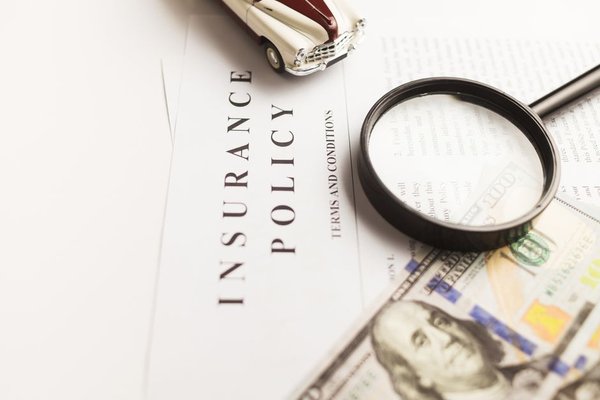
Being hit by a driver who has no insurance changes the normal path of an auto claim. Instead of relying on the at-fault driver’s liability insurer, you may need to turn to your own policy and start an uninsured motorist claim. That can feel counterintuitive when you did not cause the crash, but uninsured motorist protection is designed to help fill this coverage gap.
The uninsured motorist claim process is not identical in every state or policy. Coverage requirements, limits, deductibles, hit-and-run rules, and deadlines can differ. Still, most claims follow a recognizable sequence: confirm available coverage, notify your insurer quickly, document fault and losses, cooperate with the investigation, and evaluate the insurer’s decision.
Confirm What Your Policy Covers
Start with your declarations page and policy language. Uninsured motorist bodily injury coverage generally applies to covered injuries caused by an at-fault driver who has no liability insurance. Depending on the state and policy, uninsured motorist property damage may also help with vehicle damage. Collision coverage can be another route for repairing or replacing your car.
Coverage is not uniform nationwide. Some states require uninsured or underinsured motorist coverage, while others require insurers to offer it but allow policyholders to reject it. Property-damage protection also varies. Ask your insurer to identify the exact coverage, limits, deductibles, exclusions, and notice requirements that apply to your loss.
Report the Crash and Preserve Evidence
If you were hit by uninsured driver, collect evidence whenever it is safe to do so. Exchange identifying information, photograph the vehicles and accident scene, record license plates, and get witness contact details. If the other driver claims to have insurance, photograph the insurance card rather than relying on a verbal statement.
A police report can be especially important when the other driver is uninsured or leaves the scene. Hit-and-run claims may have specific reporting requirements under state law or the insurance policy, so delaying a report can create problems. Seek appropriate medical attention as well, and keep records that connect treatment and expenses to the collision.
Create a claim folder from day one. Save the police report number, photos, repair estimates, towing and rental receipts, medical records, medical bills, wage-loss documentation, and insurer correspondence. For broader accident preparation, related topics such as car accident claim process and what to do after a car accident are natural internal-link opportunities.
Notify Your Own Insurer Promptly
Filing UM claim usually begins by notifying your own insurance company, even if you are still waiting for final confirmation that the other driver lacked coverage. Provide the crash date, location, parties involved, police information, and any known insurance details for the other driver. Ask for the claim number and adjuster’s contact information.
It is also useful to ask which parts of your policy are being used. The same accident might involve uninsured motorist coverage, collision, medical payments, or personal injury protection, depending on your policy and state. Knowing the coverage path helps you understand deductibles, limits, and documentation requests.
Expect an Investigation of Fault and Coverage
Your insurer does not automatically pay a UM coverage claim simply because the other driver appears uninsured. The adjuster will generally investigate whether the crash is covered, whether the uninsured driver was legally responsible, whether you qualify as an insured person, and whether the claimed losses were caused by the accident.
The company may review the police report, driver and witness statements, vehicle photos, medical documentation, repair records, and evidence showing that the other driver had no valid liability policy. You may also be asked for a recorded statement or additional documents. Respond accurately and keep copies of what you provide.
A Practical Example
Suppose another driver runs a red light, damages your vehicle, and causes a shoulder injury. The driver provides an insurance card, but the listed insurer later confirms the policy had lapsed before the crash. You notify your own insurer, provide the police report and coverage information, submit photos and repair estimates, and document medical treatment and missed work. Your insurer can then evaluate the loss under the applicable uninsured motorist and other coverages in your policy.
Document the Value of Your Loss
Showing that the other driver lacked insurance is only one part of the uninsured motorist claim process. You also need evidence supporting the amount claimed. For injuries, this can include medical bills, treatment records, lost-income documentation, and information about how the injury affected normal activities. For vehicle damage, estimates, photographs, valuation information, and receipts may be relevant.
Do not assume the adjuster automatically receives every record. Health providers, employers, repair shops, and towing companies may not send information without a request or authorization. Keeping an organized file makes it easier to see what has been submitted and what is still missing.
Review Any Settlement or Denial Carefully
After investigating, the insurer may accept coverage, ask for more evidence, dispute part of the claim, make a settlement offer, or deny coverage. Compare any offer with your documented losses and policy limits. Uninsured motorist protection does not create unlimited compensation; payment remains subject to the policy terms, applicable law, and coverage limits.
If the insurer’s position is unclear, ask for an explanation in writing and request the policy provision supporting the decision. State insurance departments provide consumer information and complaint procedures. For serious injuries, disputed fault, complex coverage questions, or a major disagreement over damages, advice from a qualified attorney in your state may be appropriate. A related internal article on insurance claim denial reasons can also help readers understand common coverage disputes.
FAQ About Uninsured Motorist Claims
Does uninsured motorist coverage pay if the other driver has no insurance?
It can if your policy includes applicable UM coverage and the claim meets policy and state-law requirements. Bodily injury and property-damage coverage may be handled differently, so review your specific policy.
Can I make a UM claim after a hit-and-run?
Often, but requirements vary. Some policies or state rules require prompt notice to police or the insurer, and property-damage coverage may have additional conditions. Report the incident quickly and preserve witness information, photos, and available video.
Why does my own insurer investigate the claim?
Your insurer still needs to confirm coverage, fault, causation, and the amount of loss before paying. Reasonable requests for accident evidence and loss documentation are a normal part of filing a UM claim.
How long does an uninsured motorist claim take?
There is no single national timeline. A vehicle-only claim may be resolved faster than an injury claim involving ongoing treatment or disputed evidence. State claim-handling rules and the complexity of the accident also affect timing.
What to Expect From the Process
The key difference in an uninsured motorist case is that your own insurer becomes the central claims contact for coverage you bought to protect yourself. Reporting the crash promptly, confirming the right coverage, documenting the uninsured driver’s status, and keeping organized proof of your losses can make the process easier to manage. Because rules differ by state, use your policy and state insurance department as the primary sources for the deadlines and coverage details that apply to your claim.