

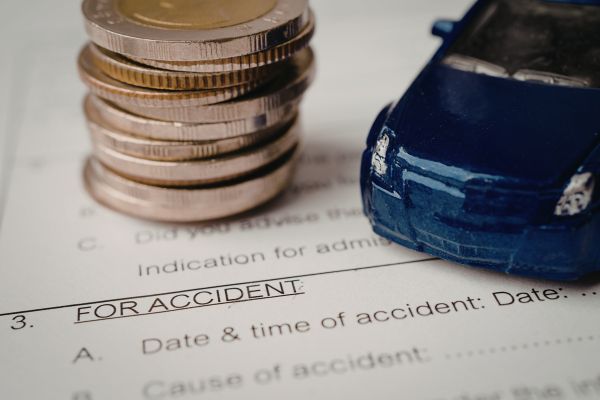
Car accidents rarely end when the vehicles stop moving. The physical impact may last seconds, but the aftermath can stretch on for months. Medical appointments, repair estimates, missed workdays, and the slow churn of insurance paperwork can make the experience feel endless. In the middle of all that, you may find yourself facing one of the most important conversations of the entire process: negotiating a car accident settlement.
For many people, this is unfamiliar territory. You might not negotiate contracts or financial claims in your daily life. Yet after a collision, you’re suddenly expected to discuss liability, medical expenses, and compensation with seasoned insurance adjusters. It can feel uneven. But understanding how the process works—and what truly matters—can shift the balance.
Understanding What a Settlement Really Means
A car accident settlement is, at its core, a financial agreement. Instead of going to court, both sides agree on a sum of money that resolves the claim. Once you accept it, you typically waive the right to pursue further compensation related to that accident.
That finality is what makes negotiating a car accident settlement so significant. It’s not just about getting a check. It’s about ensuring the amount reflects the real cost of what happened to you—today and possibly tomorrow.
Settlements usually cover medical bills, vehicle repairs, lost wages, and in some cases, pain and suffering. But these categories are rarely straightforward. A medical bill might be clear, but what about ongoing physical therapy? What about lingering back pain that hasn’t fully resolved? The numbers aren’t always as neat as the forms suggest.
The First Offer Is Rarely the Final Word
Insurance companies are businesses. Their job is to evaluate claims and resolve them efficiently. That often means presenting an initial offer that feels quick and tidy. Sometimes, especially when damages are minor, the offer may be fair. But often, it’s simply a starting point.
Many people assume the first number they see is fixed. It isn’t.
Negotiating a car accident settlement typically involves a back-and-forth. The adjuster makes an offer. You respond, either accepting or countering. That exchange can happen once or several times. The key is not to treat the first offer as the end of the discussion.
Patience matters here. So does preparation.
Documentation Is Your Leverage
Negotiation is rarely about emotion. It’s about evidence.
Every medical report, receipt, repair estimate, and wage statement strengthens your position. If you missed three weeks of work, documentation of your income makes that loss concrete. If your doctor recommends future treatment, written confirmation makes it harder to dismiss.
When negotiating a car accident settlement, vague statements carry little weight. Specific numbers, supported by records, change the tone of the conversation. They move the discussion from “I feel this is unfair” to “Here is why this amount doesn’t cover my documented losses.”
Even keeping a journal can help. Notes about pain levels, daily limitations, or canceled activities may support claims related to non-economic damages. While these are harder to quantify, they are still part of the story.
Timing Can Shape the Outcome
One common mistake is settling too quickly.
In the days after an accident, adrenaline can mask pain. Some injuries—especially soft tissue injuries—take time to fully surface. If you agree to a settlement before understanding the full scope of your condition, you may find yourself paying out of pocket later.
Negotiating a car accident settlement works best when you have a clear medical picture. That doesn’t mean dragging things out unnecessarily. It means reaching a point where doctors can reasonably estimate your recovery timeline and any lasting effects.
Once you sign a release, the case is usually closed. There’s no reopening it if complications arise.
Liability Is the Quiet Center of Every Negotiation
Behind every settlement conversation is the issue of fault. Who caused the accident? Was it entirely one driver’s responsibility, or is liability shared?
In some states, comparative negligence rules reduce compensation if you’re partially at fault. That makes the facts of the accident especially important. Police reports, witness statements, traffic camera footage—these details can influence the final number significantly.
When negotiating a car accident settlement, liability isn’t always openly debated, but it quietly shapes every offer. If the insurer believes fault is clear, negotiations may focus primarily on damages. If fault is disputed, the tone can shift quickly.
Understanding how fault affects compensation in your state gives you perspective. It also helps you anticipate the arguments that might surface.
Pain and Suffering: The Intangible Factor
Medical bills are visible. Car repairs are measurable. Pain and suffering, however, occupy a murkier space.
Insurers often use formulas to estimate these damages, multiplying medical expenses by a certain factor depending on severity. But formulas are guidelines, not laws. Your lived experience doesn’t always fit neatly into a multiplier.
This is where the narrative matters. How has the accident changed your routine? Are you unable to exercise, travel, or sleep comfortably? Has anxiety crept into your daily commute?
Negotiating a car accident settlement isn’t just about listing expenses. It’s about conveying the human impact of the event. While the process remains grounded in numbers, context gives those numbers meaning.
Communication Strategy Makes a Difference
Tone can influence negotiations more than people realize.
Frustration is natural, especially if you feel the offer undervalues your experience. But productive negotiation tends to be calm and methodical. Clear explanations, steady follow-ups, and written communication create a record and maintain focus.
Phone calls can move things quickly, but written summaries afterward help avoid misunderstandings. Confirming what was discussed and any agreed timelines keeps everyone aligned.
Negotiating a car accident settlement is rarely dramatic. It’s often a series of measured exchanges. Staying organized and composed helps keep the process moving in your favor.
Knowing When to Seek Legal Guidance
Not every claim requires an attorney. Minor accidents with straightforward damages may resolve smoothly. But more complex cases—serious injuries, disputed liability, or long-term medical concerns—can benefit from legal insight.
An experienced attorney understands valuation trends, local laws, and negotiation strategies. They can identify when an offer falls outside a reasonable range. Importantly, they also recognize when litigation might become necessary.
That doesn’t mean every case ends in court. In fact, most do not. But having guidance during negotiations can change how seriously an insurer approaches the claim.
For some, negotiating a car accident settlement alone feels manageable. For others, professional support provides clarity and reassurance during a stressful period.
The Emotional Undercurrent
There’s an emotional dimension to this process that rarely gets discussed. Car accidents can shake your sense of safety. Even minor collisions can leave lingering stress.
Negotiation forces you to revisit the incident repeatedly. You review photos, medical reports, and timelines. It can feel like reliving the experience.
Acknowledging that emotional weight is important. Decisions made in haste or frustration rarely serve you well. Taking breaks, stepping back from heated exchanges, and seeking perspective can help keep negotiations grounded.
This isn’t just a financial transaction. It’s part of closing a difficult chapter.
Recognizing a Fair Resolution
So how do you know when to accept an offer?
There’s no universal number. A fair settlement generally covers documented economic losses, reasonably accounts for future medical needs, and reflects the non-economic impact of the injury.
At some point, negotiation reaches diminishing returns. The gap between your demand and the insurer’s offer narrows. Further back-and-forth may cost time and energy without substantially improving the outcome.
Negotiating a car accident settlement requires both firmness and realism. Holding out for an unrealistic figure can stall progress. Accepting too quickly can leave you shortchanged. The balance lies in understanding your documented damages, the strength of liability evidence, and the practical limits of the claim.
Moving Forward After the Agreement
Once a settlement is finalized, paperwork follows. Releases are signed. Funds are issued. Medical liens, if any, are resolved.
And then, gradually, the administrative part of the accident ends.
That closure can feel anticlimactic. There’s no dramatic courtroom scene, no public acknowledgment—just paperwork and a deposit. Yet it marks a turning point. The focus shifts from negotiating to rebuilding.
Car repairs are completed. Medical appointments taper off. Daily routines resume, sometimes with adjustments.
A Final Reflection on Negotiating a Car Accident Settlement
Negotiating a car accident settlement is less about confrontation and more about clarity. It’s about understanding your losses, documenting them carefully, and approaching the process with patience.
The system isn’t always intuitive, and it can feel impersonal. But with preparation and steady communication, you can navigate it with confidence. The goal isn’t to “win” in a dramatic sense. It’s to reach an outcome that reflects reality—financially and personally.
In the end, a fair settlement allows you to close the chapter without lingering doubts. And after the disruption of an accident, that sense of resolution can be just as important as the numbers on the page.