

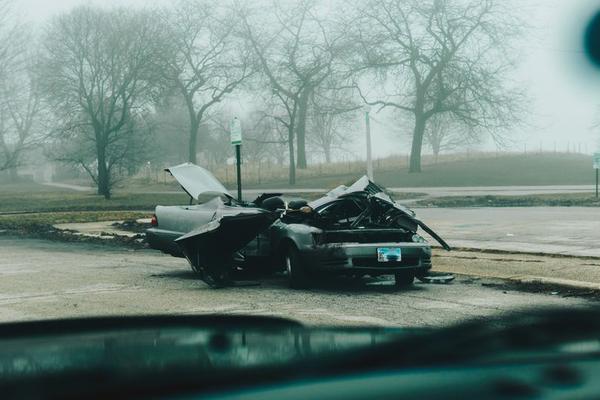
The deadline to sue after an Illinois car crash depends on what was harmed and who may be responsible. A driver with an injured wrist, a damaged car, and a claim against a city vehicle could face different timelines from one collision. That is why the Illinois car accident statute of limitations cannot be reduced to a single number.
For most negligence cases, the basic rule is two years for personal injuries and five years for property damage. Government defendants, wrongful death, and tolling exceptions need closer attention. These are court-filing deadlines, not suggested dates to start contacting an insurer.
The standard Illinois accident claim deadlines
Personal injury: generally two years
Under 735 ILCS 5/13-202, a lawsuit seeking damages for bodily injury generally must begin within two years after the cause of action accrues. In a typical crash, that means two years from the collision. Medical bills, lost wages, pain, and other injury-related losses generally fall within this rule.
The Illinois injury filing limit does not usually restart when treatment ends, a doctor makes a final diagnosis, or an insurance adjuster offers compensation. Some unusual injuries raise questions about discovery, but delayed symptoms do not automatically extend the time to sue.
Vehicle and property damage: generally five years
Section 13-205 of the Illinois Code of Civil Procedure generally gives five years to sue for damage to personal property. This can cover repair costs or the value of a totaled vehicle.
Imagine a collision that injures your shoulder and destroys your car. The injury claim might become time-barred after two years even though the property claim remains timely. A longer vehicle-damage deadline does not preserve the bodily injury claim.
Wrongful death: a different starting point
When a collision causes death, the Illinois Wrongful Death Act generally requires an action within two years after the death, under 740 ILCS 180/2. Special provisions exist for certain violent acts and criminal proceedings. A personal representative normally brings the action, while related survival claims may follow different rules.
If the person died after the crash, families should have both dates evaluated rather than automatically counting from the collision.
Government vehicles can change the deadline
One major exception concerns local government. Under 745 ILCS 10/8-101, most injury lawsuits against an Illinois local public entity or its employee must begin within one year of the injury or accrual. Depending on the circumstances, that can involve a city, county, or other covered local agency.
State-government claims have different procedures. Many belong in the Illinois Court of Claims. Under 705 ILCS 505/22, its general deadline for other claims is two years, but personal-injury claims can also require notice to the Attorney General and Court of Claims clerk within one year. Section 22-1 generally excuses that notice if the claim itself is filed within one year.
Immunity, defendant identity, and special filing requirements can affect whether a claim is available. If a police car, municipal truck, state vehicle, or public employee was involved, get legal guidance promptly rather than relying on the ordinary two-year period.
When can the clock pause or shift?
Minors and legal disabilities
Illinois recognizes limited tolling exceptions. Under 735 ILCS 5/13-211, someone who was under 18 when an ordinary covered claim accrued generally may file within two years after turning 18. Certain legal disabilities can also change or pause the limitations period.
These protections have boundaries. Government claims and specialized statutes may follow other rules, so a child injured in a crash should not automatically rely on a deadline calculated from their eighteenth birthday.
Fraudulent concealment and delayed discovery
Under 735 ILCS 5/13-215, fraudulent concealment of a cause of action can permit filing within five years after discovering the claim. Proving concealment requires more than showing the other driver disputed fault or an insurer responded slowly.
Some cases raise discovery-rule questions, but an ordinary collision is usually apparent when it happens. Any proposed exception should be evaluated before the filing period runs out.
An Illinois crash example with multiple clocks
Suppose a driver is injured on January 15, 2026, when a city maintenance vehicle hits their car. Against an ordinary private driver, the usual personal injury deadline would point to January 15, 2028, and the ordinary property deadline to January 15, 2031.
But a local government defendant could trigger a one-year lawsuit deadline, making January 15, 2027, critical. This is an illustration, not a definitive deadline calculation for any particular claim. The first question is who owned the vehicle and whether the driver was acting as a public employee.
Insurance claims are not lawsuits
Reporting a crash, opening an insurance claim, exchanging documents, or negotiating a settlement generally does not stop the Illinois lawsuit deadline. Policies may impose separate prompt-notice requirements. A claim under your own insurance can also involve contractual terms different from a negligence suit against another driver.
Save the crash report, photographs, medical records, repair estimates, witness details, and insurer correspondence. Record the crash date and all potentially responsible parties. For related reading, see our guides to car accident insurance claims and determining fault after a collision.
What to do before the Illinois lawsuit deadline
Separate your losses into bodily injury, property damage, and any death-related claim. Identify every potentially responsible party instead of assuming the other driver’s insurer is the only relevant organization.
Use the earliest plausible deadline until an Illinois attorney checks the governing statute, accrual date, possible tolling, and required filing or notice procedures. Ask specifically about government involvement and separate insurance deadlines. Our overview of personal injury filing deadlines by state can help when a collision involves more than one state.
Frequently asked questions
How long do I have to sue after a car accident in Illinois?
For an ordinary car-accident injury lawsuit, the general Illinois lawsuit deadline is two years from accrual, usually the crash date. Property damage, wrongful death, or government-related claims can have different periods.
Can I file a car damage lawsuit after two years?
Potentially. Ordinary property-damage claims generally have five years under 735 ILCS 5/13-205. That does not keep a bodily injury claim timely, and special circumstances can change the analysis.
Does negotiating with an insurer extend the deadline?
Usually not. Insurance discussions or a pending adjuster’s review do not, by themselves, toll the statute of limitations. A legally recognized exception or timely lawsuit may be needed to preserve the claim.
What if the injured person was a minor?
Illinois law can extend the period for certain claims involving minors, often allowing two years after age 18. Special statutory rules may override that protection. Check the specific claim and defendant before relying on an extension.
Final takeaway
Most Illinois car accident cases begin with a two-year injury rule and a five-year property rule. The crucial next step is checking for an earlier government deadline, a different wrongful-death clock, or a genuine tolling exception. Determine the correct filing date early; waiting for negotiations can cost you the right to sue.