

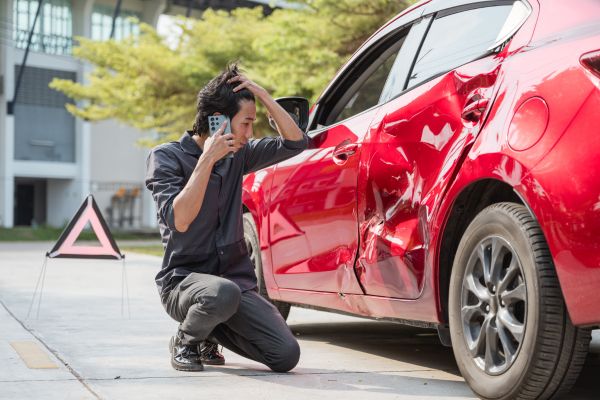
Understanding the Reality of Head-on Collisions
Head-on collisions are among the most devastating types of road accidents. There’s something particularly unsettling about two vehicles traveling in opposite directions suddenly meeting with force. Unlike side or rear-end crashes, these collisions concentrate impact energy directly between drivers and passengers, often leading to severe injuries or worse.
When you hear about such accidents, it’s easy to imagine them happening somewhere far away, on an empty highway or a winding rural road. But the truth is, head-on collisions can occur almost anywhere—on city streets, narrow roads, or even familiar routes you drive every day.
Understanding how and why they happen is not just useful knowledge. It can shape how you drive, how alert you remain, and ultimately, how safe you are on the road.
Why Head-on Collisions Are So Dangerous
The danger in head-on collisions lies in physics. When two vehicles moving toward each other collide, their speeds combine, dramatically increasing the force of impact. Even at moderate speeds, the resulting crash can be catastrophic.
Beyond the numbers, there’s the human element. Drivers have little time to react. A split second of distraction, a brief lapse in judgment, or a sudden obstacle can lead to a situation where avoiding the crash becomes nearly impossible.
In many cases, the front sections of vehicles absorb the impact, but that doesn’t always guarantee safety. Occupants sitting closest to the point of collision—especially drivers—face the highest risk of serious injury.
Common Causes Behind Head-on Collisions
Head-on collisions rarely happen without warning signs. There are often contributing factors that, when combined, create a perfect storm.
One of the most common causes is distracted driving. A glance at a phone, adjusting the radio, or even turning to speak with a passenger can cause a vehicle to drift into the opposite lane. That small deviation can have enormous consequences.
Another frequent factor is impaired driving. Alcohol or drugs reduce reaction time and impair judgment, making it far more likely for a driver to veer off course or misjudge distance.
Fatigue plays a quieter but equally dangerous role. Drowsy drivers may unintentionally cross lane markings or even fall asleep at the wheel. On long stretches of road, especially at night, this risk increases significantly.
Poor road conditions also contribute. Faded lane markings, lack of barriers, or poorly lit roads can make it harder for drivers to stay within their lanes. Add rain, fog, or slippery surfaces, and the margin for error shrinks even further.
The Human Impact of These Crashes
Statistics can tell part of the story, but they rarely capture the full emotional and physical toll of head-on collisions. Survivors often face long recovery periods, multiple surgeries, and lasting trauma.
Injuries from these accidents tend to be severe. Broken bones, spinal injuries, head trauma, and internal bleeding are common outcomes. Even when individuals survive, the road to recovery can be long and uncertain.
There’s also the emotional aftermath. Anxiety about driving, flashbacks, and a lingering sense of vulnerability can stay with people long after physical wounds heal. Families, too, are deeply affected—both by the immediate shock and the ongoing challenges that follow.
How Road Design Influences Risk
The design of a road can either reduce or increase the likelihood of head-on collisions. Highways with clear lane separations, barriers, and reflective markers tend to be safer. These features act as physical and visual reminders that help keep drivers in their lanes.
In contrast, narrow roads without dividers pose greater risks. When opposing traffic is separated only by a painted line—or sometimes nothing at all—the chances of a vehicle crossing into oncoming traffic rise significantly.
Curves and blind spots further complicate matters. On roads where visibility is limited, drivers may not see an oncoming vehicle until it’s too late. This is particularly true in hilly or rural areas where sharp turns are common.
The Role of Driver Behavior
While external conditions matter, driver behavior remains the most critical factor. Staying focused, maintaining a safe speed, and respecting road rules can dramatically reduce the risk of head-on collisions.
Defensive driving, in particular, plays a key role. It’s not just about controlling your own vehicle—it’s about anticipating the actions of others. Noticing a car drifting slightly or a driver behaving unpredictably can give you those extra seconds needed to react.
Speed is another important element. Higher speeds reduce reaction time and increase impact severity. Even a small reduction in speed can make a meaningful difference in both avoiding a crash and minimizing its consequences.
Technology and Safety Advancements
Modern vehicles come equipped with technologies designed to prevent or mitigate head-on collisions. Lane departure warnings, automatic emergency braking, and collision detection systems are becoming increasingly common.
These features act as a safety net, alerting drivers when they unintentionally drift or when a potential collision is detected. In some cases, the vehicle can even take corrective action on its own.
However, technology is not a substitute for attention. It works best when combined with responsible driving habits. Relying solely on automated systems can create a false sense of security, which may lead to complacency.
What Happens After a Head-on Collision
The aftermath of a head-on collision can be overwhelming. Beyond the immediate medical concerns, there are practical matters to address—insurance claims, vehicle damage, and understanding what happened.
In many situations, determining fault becomes a key issue. Investigations may consider road conditions, driver behavior, and witness accounts. Each detail helps piece together how the collision occurred.
For those involved, the process can feel confusing and emotionally draining. It often takes time to regain a sense of normalcy, both physically and mentally.
Preventing Head-on Collisions in Everyday Driving
Prevention doesn’t always require drastic changes. Often, it comes down to consistent, mindful habits behind the wheel.
Staying attentive is perhaps the simplest and most effective step. Keeping your eyes on the road, avoiding distractions, and remaining aware of your surroundings can significantly reduce risk.
Maintaining proper lane discipline is equally important. Even slight drifting can lead to dangerous situations, especially on roads without barriers.
Taking breaks during long drives helps combat fatigue. A short rest can restore focus and reduce the chances of drowsy driving.
And then there’s patience. Roads can be unpredictable, and not every driver behaves responsibly. Giving yourself space and time to react can make all the difference.
A Broader Perspective on Road Safety
Head-on collisions highlight a broader issue: the shared responsibility of road safety. It’s not just about individual drivers—it’s about how we all interact on the road.
Infrastructure improvements, better lighting, and clearer signage all contribute to safer conditions. Public awareness campaigns and stricter enforcement of traffic laws also play a role.
But at the core of it all is human behavior. Each decision made behind the wheel—whether to speed, to check a phone, or to stay focused—shapes the outcome of every journey.
Conclusion
Head-on collisions remain one of the most serious threats on the road, not because they are common, but because of their severity. They remind us how quickly situations can change and how little room there is for error when vehicles move in opposite directions.
Yet, there’s also a sense of control within this reality. By understanding the causes, recognizing the risks, and adopting safer driving habits, we can reduce the likelihood of these accidents.
Driving is something many of us do daily, often without much thought. But perhaps it deserves more attention than we give it. Because in the end, staying present behind the wheel isn’t just about reaching a destination—it’s about making sure everyone else does too.